Bird Nest Inspection

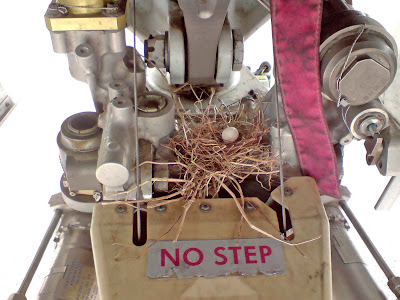
I was in Seychelles for 3 days and as per company procedure aircraft need to be inspected after 2 days of parking. Among item to be look for during this inspection is any bird nest especially in the hidden area mainly in the wheel well. However to my suprise, i can spot it easily this time. Right on top of the nose gear steering actuator module.
The mother bird still there when i spot her but she flew away when i want to took her photo. Besides any foreign object such as the bird nest, inspection for any leakage of fluid mainly the hydraulic and oil, structural damage as well as the tyre pressure check will be done as well. Although the inspection is not extensive, at least we can prevent any surprise especially on the day of departure with VIP waiting.

No 5 Window Cracked

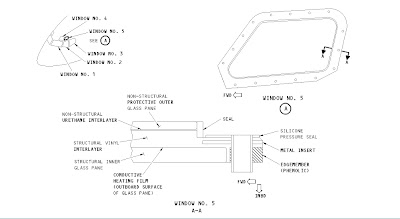
Came back from flight while performing the post flight check, i've notice inrregularities at the No 5 cockpit window. This window sometime been called "eyebrow window" located on top of cockpit crew head so it is hardly noticeable if there is a defect on it.


I've checked it & found that the cracked was in the middle layer as there is no feeling of the crack from outer as well as the inner surface of the window. There is three layer in this window, the middle layer that cracked is the vynil layer. This is the load bearing layer, the next fail safe is the inner layer which is made of glass.
Closer look at the edge of the window, there is a sign of overheated, the main probable cause for the crack to happen. This defect is beyond limit and the window replaced as soon after that.

Aircraft Deicing

Winter is coming, the formation of ice on top of the wing either during flight in cold area or after aircraft parked overnight in cold weather can alter the aerodynamic of the wing which can effect the lift force during take off.

To removed the ice & prevent it from reoccur, deicing fluid will be used which normally will be performed by well trained deicing team.

The commonly used fluid is either of ethylene glycol or propylene glycol however the latter is more common due to the fact it is less toxic.


Deicing fluid can be devided into 4 different type, type I, II, III & IV. Type II fluids are more commonly used and have thickening agent to prevent their immediate flow off aircraft surfaces. Typically the fluid film will remain in place until the aircraft attains 100 knots or so, at which point the viscosity breaks down due to sheer stress. The high speeds required for viscosity breakdown means that this type of fluid is useful only for larger aircraft.